Article
The Future of Marketing in the Age of Artificial Intelligence: When Human Creativity and AI Work Together
For years, digital marketing has swung between two extremes: creative intuition and data obsession. Today, artificial intelligence (AI) isn't here to pick a side—it's here to unite them. We're entering a new era where the brands that thrive aren't simply the ones that use AI, but the ones that know how to orchestrate it.
The future of marketing in the age of artificial intelligence isn't about replacing people; it's about amplifying their impact. It's about creating experiences that are more relevant, more human, and at the same time more efficient and measurable. In this post, we'll explore how brands can prepare for this new landscape, which technologies are leading the way, and what concrete steps you can take to stay ahead.
1. The New Consumer Demands Intelligent, Personalized Experiences
Today's consumer no longer compares brands against each other—they compare them against the best experience they've ever had.
Think about your own online experience:
- You expect a brand to recognize you.
- To remember your preferences.
- To reach you at the right moment, on the right channel, with the right message.
This is where artificial intelligence in marketing becomes indispensable. Hyper-personalization is no longer a "nice to have"—it's an expectation. Yet only a minority of brands consistently deliver it, due to:
- Fragmented data.
- Disconnected teams.
- Slow, manual content production.
AI bridges this gap by interpreting real-time signals and turning them into relevant experiences.
2. The Era of AI-Driven Marketing
Talking about the future of marketing means talking about AI-driven marketing: an approach where AI doesn't just automate tasks, but also supports strategic decision-making.
In this model, AI:
- Analyzes large volumes of customer data.
- Identifies behavioral patterns.
- Recommends optimal actions in real time.
But there's a key difference between using AI and leading with AI.
Leading brands understand that artificial intelligence works best when:
- It has access to unified data.
- It's integrated across the entire customer journey.
- It acts as a co-pilot for the human team, not a replacement.
3. AI Agents: The Next Level of Modern Marketing
One of the most significant advances in AI-driven marketing is the emergence of AI agents.
What are AI agents in marketing? They are specialized assistants that execute specific tasks autonomously or semi-autonomously, such as:
- Analyzing audience insights.
- Optimizing content based on performance.
- Adjusting journeys and segmentations in real time.
Instead of relying on manual processes, teams can focus on higher-value activities: strategy, creativity, and experience design.
Agent Orchestration:
When AI works as a team, the real power emerges when these agents don't operate in isolation, but are orchestrated. This is where the concept of Agent Orchestration comes in:
- Coordinates multiple AI agents.
- Connects data, content, and channels.
- Enables intelligent decisions in real time.
The result isn't just operational efficiency—it's coherent, memorable experiences for the customer.
4. Connected Data: The Foundation of Personalization at Scale
AI is only as good as the data it uses. Without a solid foundation of connected data, even the most advanced technology loses its impact.
To thrive in the age of artificial intelligence, brands need:
- A unified view of the customer.
- Governed, labeled, and trustworthy data.
- The ability to activate insights in real time.
When data is connected, AI can understand the context behind every interaction—not just an isolated click. This makes it possible to build journeys that feel natural, relevant, and continuous.
5. Augmented Creativity: When AI Amplifies Human Imagination
One of the biggest myths about AI in marketing is that it kills creativity. In reality, the opposite is true.
Generative AI makes it possible to:
- Accelerate content production.
- Create multiple creative variations.
- Adapt messages to different audiences and regions.
This frees up time for creative teams to focus on:
- Concepts.
- Narratives.
- Ideas that connect emotionally.
Creativity remains human. AI simply eliminates the bottlenecks.
6. Productivity and Efficiency: Doing More with Less
Marketing teams face growing pressure:
- More channels.
- More audiences.
- Smaller budgets.
AI-powered marketing solutions are designed to:
- Simplify workflows.
- Reduce repetitive tasks.
- Scale resource-intensive processes.
This not only improves execution speed—it also raises the quality of the work delivered.
7. Proving ROI: The Language That Connects Marketing to the C-Suite
One of the biggest challenges in modern marketing is demonstrating real business impact. In the age of AI, ROI stops being an estimate and becomes a data-driven conversation.
Leading brands:
- Connect investment to results.
- Measure which content, channel, and message generate value.
- Use insights to continuously optimize.
When marketing can prove its impact, it earns a strategic seat at the decision-making table.
8. Humans at the Center: The Rule That Never Changes
Despite all the technology, one truth remains:
- Marketing will always be people connecting with people.
- AI must be used responsibly, transparently, and ethically.
The brands that will win customer loyalty are those that:
- Use automation without losing warmth.
- Build trust through honest experiences.
- Put people at the center of every decision.
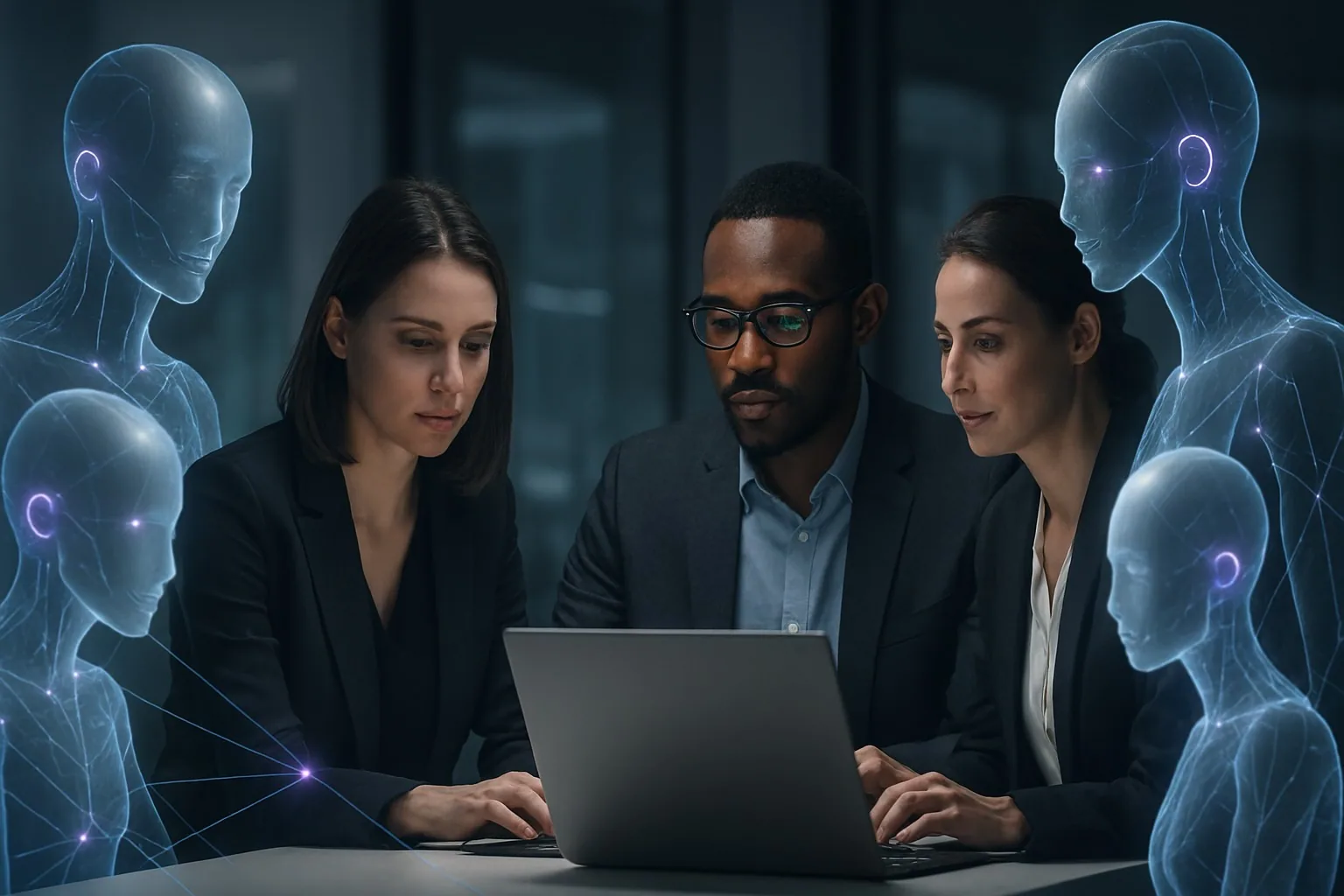
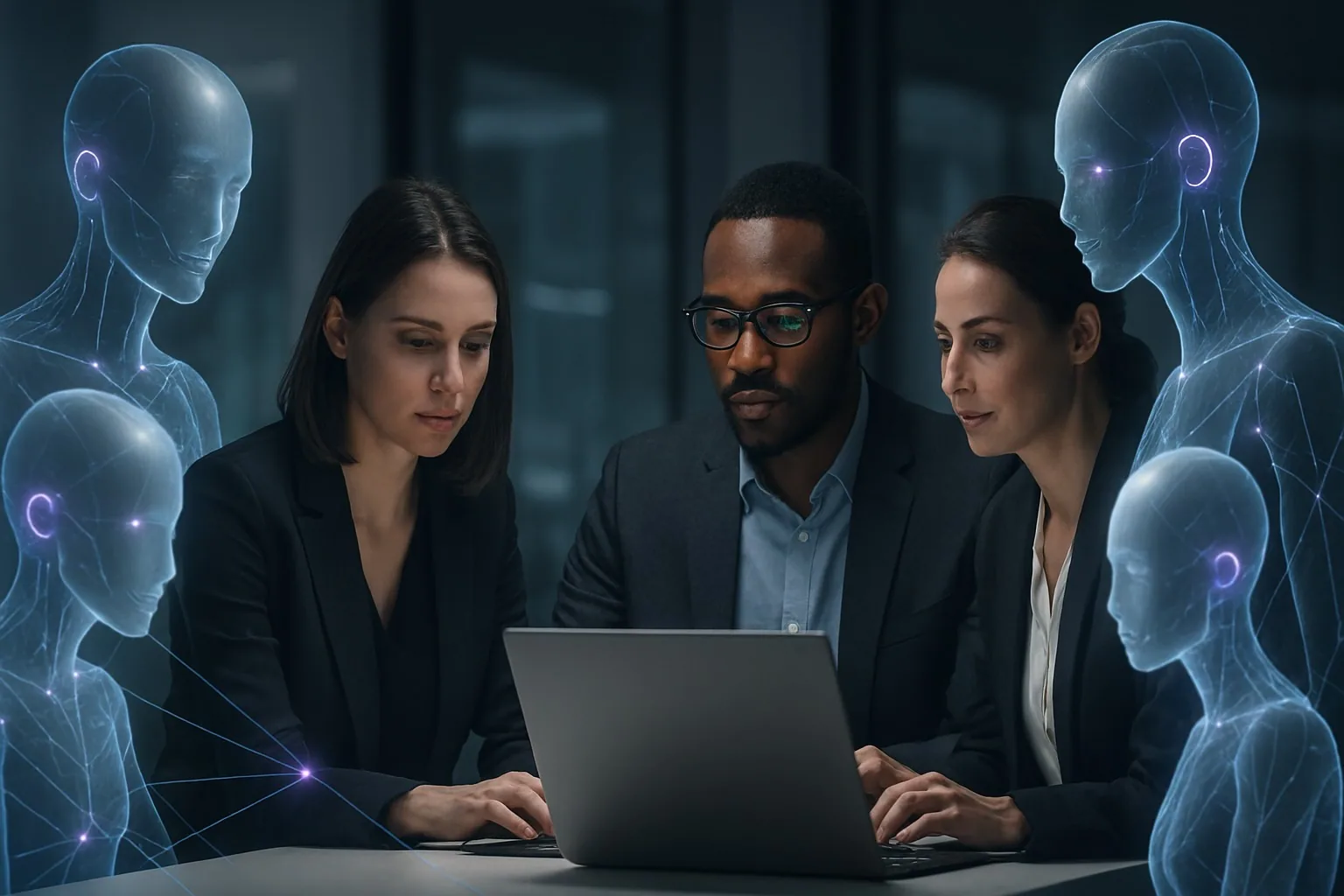
The future of marketing in the age of artificial intelligence is no longer a promise—it's a reality already taking shape.
The brands that will thrive are those that:
- Combine human creativity with AI-driven optimization.
- Orchestrate agents, data, and experiences.
- Measure real impact and demonstrate value to the business.
It's not about reacting to change—it's about leading it.
Actionable Insight:
Start small: identify one point in the customer journey where AI can generate immediate impact, measure results, learn, and scale.
Want to keep exploring how artificial intelligence is transforming marketing and the digital experience? Follow us on all our official channels.
Related services
If this topic is relevant to your business, these services from WolfSellers can help you implement it: