Article
What Is B2B eCommerce?

What Is B2B eCommerce and How Can It Benefit Your Business?
eCommerce is growing rapidly, and B2B (Business-to-Business) is a key driver of business expansion, becoming an essential tool for companies looking to optimize processes and reach new markets.
In this blog, we'll cover the advantages and disadvantages of B2B, the benefits your company can gain, and everything you need to know about this business model.
What Does B2B Mean in eCommerce?
The term B2B, or "Business-to-Business," refers to a business model in which commercial transactions take place between companies. Unlike B2C (Business-to-Consumer), where businesses sell directly to end consumers, B2B eCommerce works in the opposite direction — selling products, services, or solutions from one company to another. This model is fundamental to many industries, as it facilitates the purchase of large quantities of products and services needed for production and operations.
What Are B2B Marketplaces?
B2B marketplaces are platforms where companies can buy and sell products and services among themselves. These marketplaces make it easier to compare prices, find suppliers, and conduct secure transactions.
Examples of B2B marketplaces include Alibaba, ThomasNet, and Global Sources. These platforms offer a wide range of products — from raw materials to industrial equipment — and enable businesses to expand their global reach.
Characteristics of B2B eCommerce
Business-driven decision-making criteria: In B2B commerce, procurement parameters center on operational efficiency, cost reduction, long-term cost of ownership, and return on investment. Corporate buyers evaluate all available solutions to ensure they deliver quantifiable value to their operations.
Complex purchasing: B2B purchasing processes tend to be complex in many cases, often involving multiple stakeholders and requiring repeated rounds of review and approval.
Long-term business relationships: B2B fosters long-term commercial relationships between companies and their suppliers. These relationships are built on trust, as the purchasing company recognizes that its ability to meet its own needs may depend on the stability and reliability of its suppliers.
Purchase volume: The volume of transactions in B2B commerce is large. In fact, buying in bulk is one of the primary reasons this type of commerce exists in the first place.
Customization: Many companies that sell to other businesses need to develop tailored solutions for each client to meet their specific operational requirements.
Advantages of B2B eCommerce
Access to a broader market: B2B platforms allow companies to reach global customers without geographic limitations.
Process optimization: Digitalizing the sales process improves efficiency and reduces operational costs.
Higher sales volume: Orders in B2B commerce tend to be large, significantly increasing revenue.
Better relationship management: B2B platforms facilitate customer relationship management through integrated CRM and ERP tools.
Disadvantages of B2B eCommerce
Complex setup process: Implementing a B2B platform requires thorough research and detailed configuration to meet the specific needs of the business.
Sales limitations: Although B2B commerce can generate large sales, it often excludes individual consumers, limiting market reach.
Need for specialization: Product and service presentations must be clear and detailed, which may require additional expertise and resources to provide online demos and consultations.
Examples of B2B Companies
IBM: provides technology solutions in artificial intelligence, cybersecurity, and cloud services to a wide range of businesses.
General Electric: operates in sectors such as energy, aviation, and healthcare, offering specialized products and services to other companies in these industries.
Intel: supplies hardware components to companies that manufacture computers and electronic devices.
B2B eCommerce Platforms
Shopify Plus: is a robust platform that enables businesses to manage both B2B and B2C sales from a single interface, with ERP and CRM integrations and advanced customization options.
BigCommerce: is known for its ease of integration with tools like ShipperHQ and BrightPearl, offering custom shipping rates and an optimized shopping experience.
Oracle NetSuite SuiteCommerce: provides a comprehensive solution for managing purchasing and invoicing in a B2B environment, ideal for mid-sized businesses.
Adobe Commerce (formerly Magento)
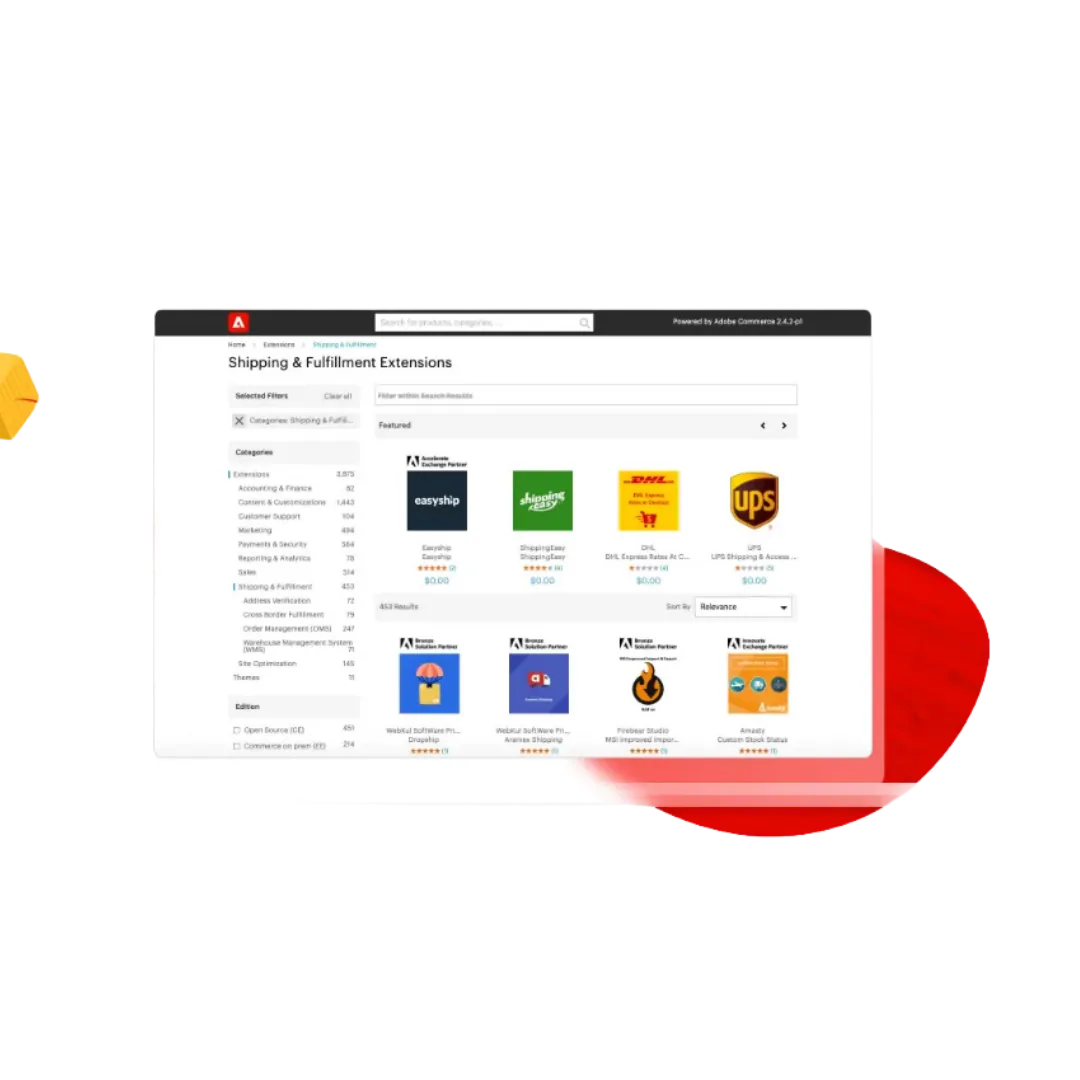
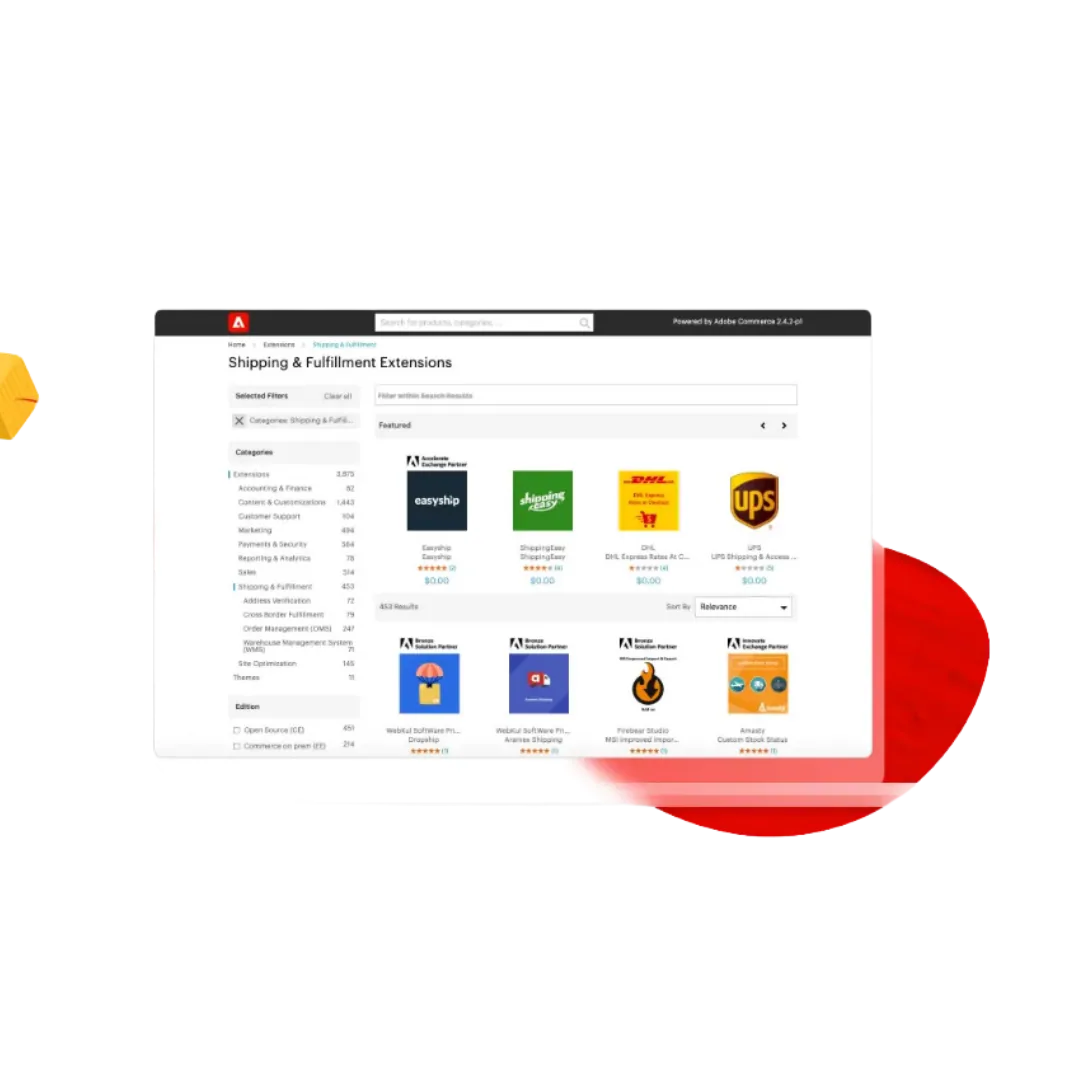
Adobe Commerce is an open-source platform that offers extensive customization options and a large extension library. It enables B2B sellers to manage multiple brands and partner accounts, streamlining processes such as quick ordering via SKU or CSV.
At Wolf Sellers, we are Adobe Gold Partners and experts in digital transformation. If you're looking to take the next step and transform your commerce operations using the best eCommerce tools available, now is the time to reach out. Our specialized team is ready to help you implement customized solutions that drive growth and efficiency for your business. Contact us today and discover how we can help you reach your full potential!
Related services
If this topic is relevant to your business, these services from WolfSellers can help you implement it: