Article
What is B2C eCommerce and How Is It Revolutionizing the Market and the World?
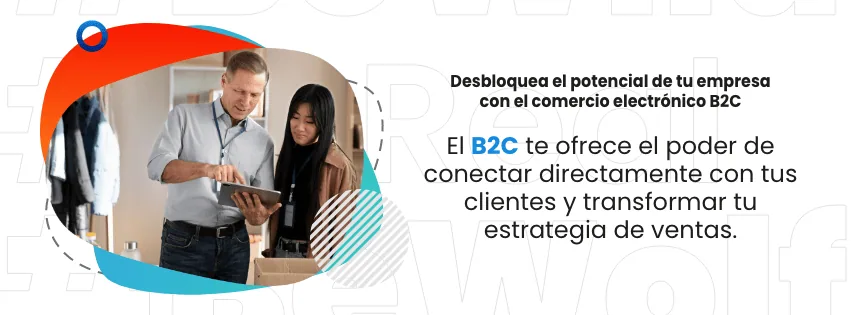
In the digital age, B2C (business-to-consumer) eCommerce has become a transformative force in the way we shop. This online sales model, characterized by the direct connection between businesses and consumers, has grown exponentially and will continue to do so, eliminating middlemen and making it easier to purchase products directly from the source. Imagine a factory that offers its products without the need for physical stores or distributors, delivering a more efficient and personalized shopping experience. Welcome to the world of B2C eCommerce!
What is B2C eCommerce and How Is It Revolutionizing the Market and the World?
B2C eCommerce, or business-to-consumer commerce, is a way of shopping online that has experienced steady growth and is changing the way we make purchases. In short, it involves companies selling directly to consumers, with no middlemen. Imagine a factory that manufactures its own products and sells them directly to customers, bypassing external stores or distributors.
What is B2C Commerce?
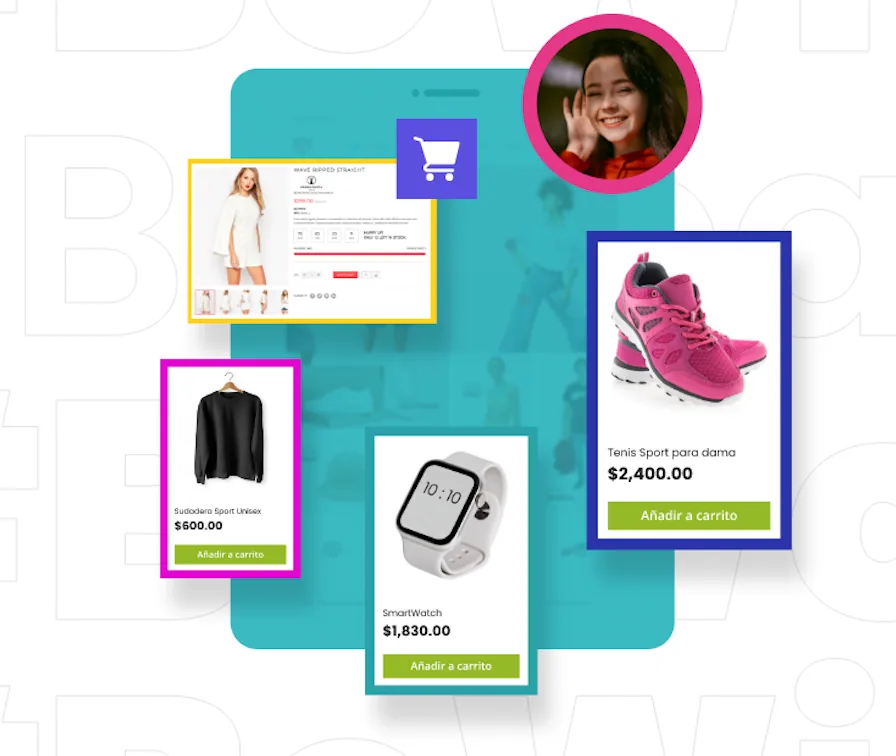
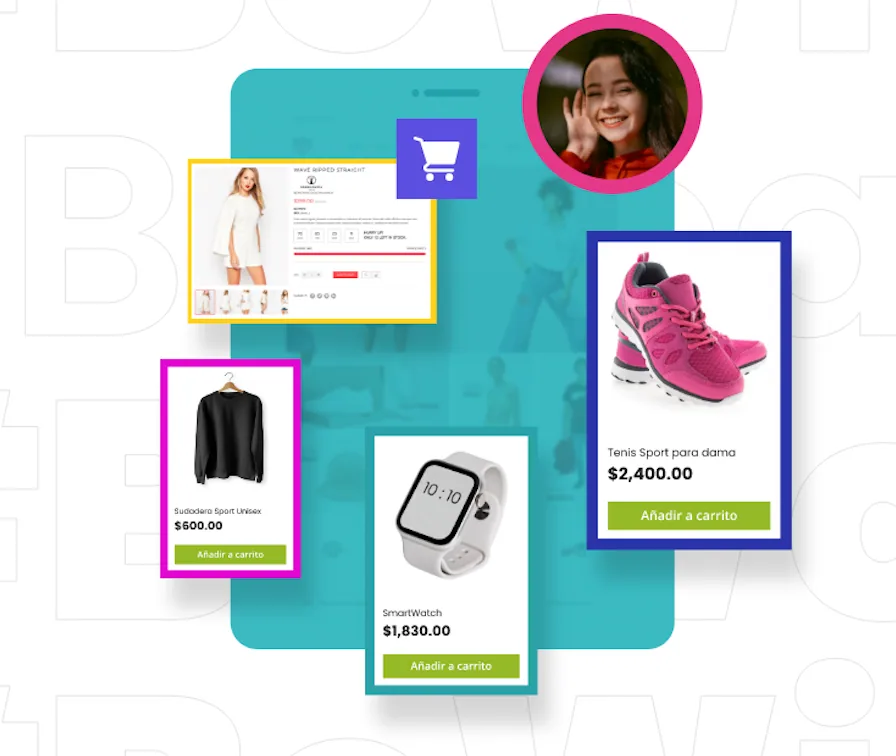
The B2C, or business-to-consumer, business model is a commercial structure in which companies sell their products and services directly to end customers, eliminating the presence of intermediaries. In short, these are organizations that manufacture or create their own products and market them directly, bypassing external distribution systems, delivering goods straight from the factory to consumers' hands.
B2C eCommerce Examples
Some examples of companies that use B2C eCommerce include:
Amazon: This giant of B2C eCommerce, which began operations in 1994 selling books online, is today the world leader in business-to-consumer commerce, serving as a large marketplace that also sells its own products directly to consumers.
Netflix: The leading streaming content company is also an example of B2C e-commerce that, in addition to offering an entertainment service with no intermediaries, also creates audiovisual content for its audiences.
Walmart: One of the most powerful retail organizations in the world, where customers purchase a wide range of products in its physical stores or online.
Differences Between B2C and B2B eCommerce
Briefly, B2B eCommerce is a model in which companies sell their products or services to other businesses (business-to-business), with large organizations as their primary target. Key characteristics include higher sales volumes, since orders are typically placed at a larger scale. However, the level of demand is more rigorous and requires more sophisticated risk management.
Today, a large number of B2C eCommerce platforms also offer B2B services and vice versa. But to be successful, it is always necessary to keep both strategies separate, taking into account the key differentiating aspects between the two:
Purchase timelines: In B2C commerce, the purchasing decision is much faster because the customer drives the action on their own. For businesses, on the other hand, this involves a series of processes and approvals that slow things down.
Frequency: Generally, B2C customers tend to return to businesses through loyalty strategies, whereas in the B2B model this takes longer, although it can lead to long-term supplier partnerships.
Pricing: In B2C businesses, per-unit prices tend to be higher, while in B2B they tend to decrease due to purchase volume.
Influences: The factors that drive purchases in B2C commerce are personal preferences and marketing campaigns, while in B2B they are influenced by market shifts, partnerships, and statistical analysis, among others.
Advantages and Disadvantages of B2C eCommerce
B2C eCommerce offers multiple advantages, including:
More potential customers: Since these are businesses looking to reach a more general audience, they are more likely to attract a larger number of consumers than B2B.
Logistics possibilities: The B2C market has multiple logistics options — home delivery, pickup points, dropshipping, on-demand sales, and more — giving businesses greater commercial flexibility.
Physical + eCommerce: A B2C eCommerce business can combine a physical store with its online store, maximizing profitability.
Internationalization: Thanks to the power of the internet and globalization, any company can bring its products and services to customers in other countries without needing to invest heavily to do so.
Diversification: B2C eCommerce businesses have the opportunity to shift from one niche to another without taking on much risk, which facilitates business expansion.
That said, it also presents some disadvantages, such as strong competition and some consumers' distrust of online payment methods.
Recommendations and Best Practices
At this point, all that's left is to walk you through the key trends and best practices for this market looking ahead.
Mobile eCommerce: Shopping from a smartphone is firmly embedded in our culture. In fact, in Mexico, 67% of people begin their purchasing process on their phone and 79% complete it through the same device. The reason? The convenience and flexibility it offers — making it a sure trend for B2C eCommerce.
Marketplaces: These platforms will become increasingly popular. Thanks to these tools, sellers can reach their potential customers without needing their own website, leveraging the trust and credibility of platforms already established in the market.
Personalization: According to a survey conducted by Google, 90% of marketing professionals say that personalization contributes to business profitability. From a B2C eCommerce perspective, this means the entire experience must be tailored to each customer's needs and preferences — just as Amazon already does, for example, through product recommendations based on previous purchases.
Artificial intelligence: Artificial intelligence is already here and it's not going away anytime soon. So it's worth embracing this technology in favor of your eCommerce. One example of AI application could be, precisely, helping to personalize the customer experience in your business, or leveraging collected data to gain valuable insights that improve decision-making.
B2C eCommerce has become an essential tool for companies looking to reach their end consumers directly.
With the constant evolution of technology and new market trends, it is crucial that businesses adapt and adopt innovative strategies to remain competitive. Whether through personalization, artificial intelligence, or the use of marketplaces, the future of B2C eCommerce promises to be exciting and full of opportunity.
At Wolf Sellers, we are here to help you capitalize on these opportunities. With our eCommerce solutions, we offer you the most advanced tools available as official Adobe partners to optimize your operations and improve the customer experience. Contact us today and discover how we can transform your digital commerce and make it a leader in its industry.
Related services
If this topic is relevant to your business, these services from WolfSellers can help you implement it: