Article
How to Scale Multichannel Content with a Single Source of Truth Using Adobe AEM and Assets

Omnichannel is no longer optional — it's a requirement
Today, brands need to be everywhere: web, social media, apps, email, marketplaces… and beyond. But how do you stay in control when there are so many fronts to manage? How do you ensure content is consistent, relevant, and fast without duplicating efforts?
The answer lies in a centralized, scalable content strategy. And that's exactly where Adobe Experience Manager (AEM) and Adobe Assets come in: two key solutions for transforming your content supply chain.
What does having a single source of truth mean?
A "single source of truth" means that all content — text, images, videos, descriptions, promotions — is created, managed, and updated from one place. That content is then distributed to every channel in a consistent, controlled, and efficient way.
Key advantages:
✅ Eliminate duplicate versions and human errors. ✅ All teams work from the same up-to-date information. ✅ Publishing timelines are reduced. ✅ Brand experience is consistent across every touchpoint.
Adobe AEM Sites + Assets:
The winning combination for scaling content
What is Adobe Experience Manager (AEM) Sites?
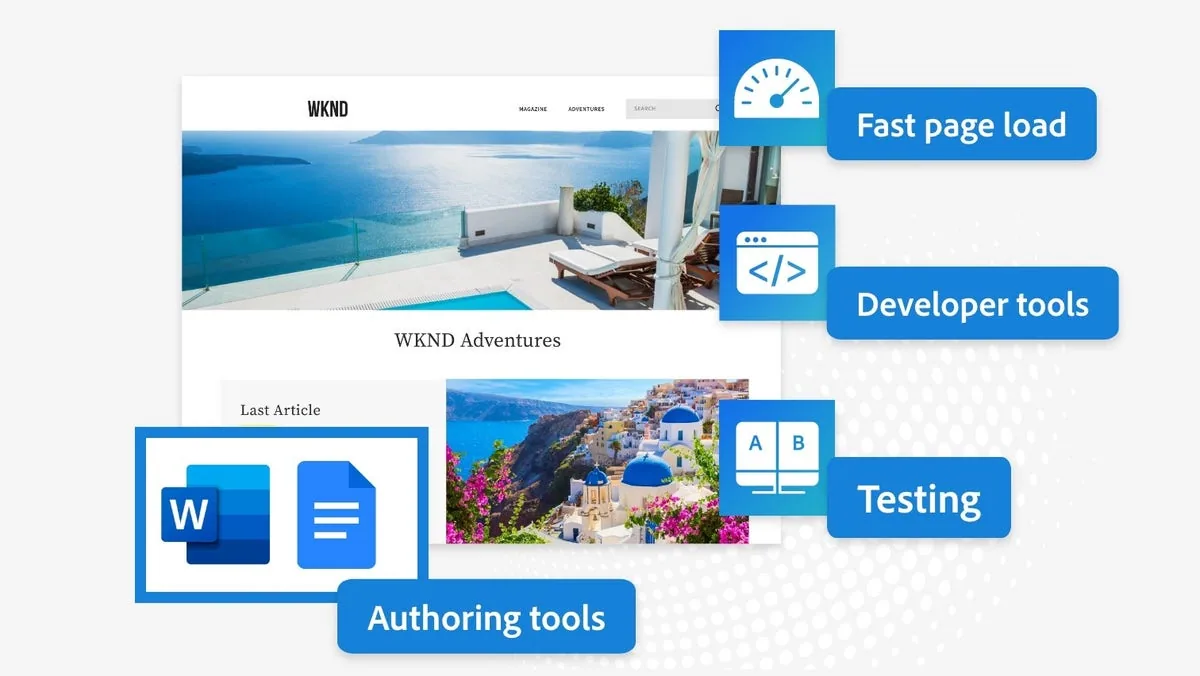
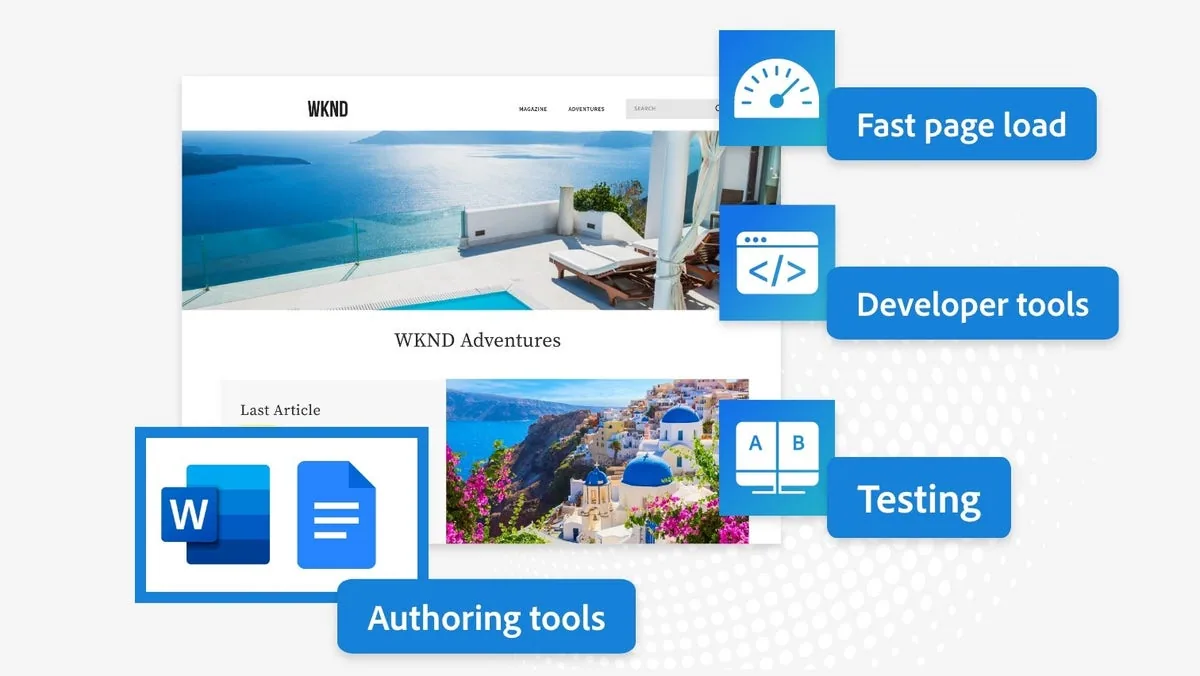
It's an enterprise content management platform (CMS) that enables you to create digital experiences in a visual, modular, and scalable way. AEM allows you to:
✅ Create content through visual interfaces. ✅ Use reusable components and templates tailored to each channel. ✅ Publish to multiple platforms simultaneously (web, app, email, etc.). ✅ Set up workflows with version control and approvals.
What is Adobe Experience Manager Assets?
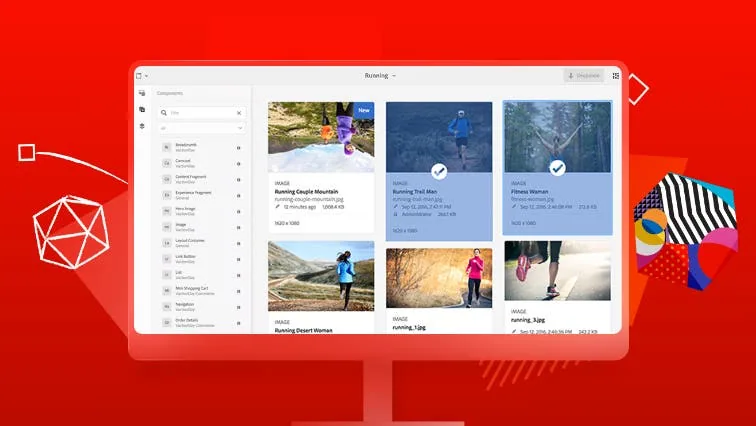
It's the digital asset management system (DAM) built into AEM. It centralizes all of a brand's multimedia resources (images, videos, audio, PDFs), organizing, optimizing, and distributing them with artificial intelligence (Adobe Sensei).
Its advantages:
✅ Automatic classification with smart metadata. ✅ Asset optimization based on channel and device. ✅ Faster search, use, and distribution of resources. ✅ Versioning, permissions control, and traceability.
Strategy for scaling content with a single source of truth
Implementing a content supply chain with AEM and Assets involves:
1. Centralized content creation Everything is produced in a single environment where teams can collaborate, review, and approve content without leaving the system.
2. Automated multichannel distribution Content is published across all channels from AEM, using APIs, integrations, and channel-specific templates (web, mobile, email, social).
3. Efficient digital asset management Assets automates the delivery of images and videos, adapting them to the requirements of each platform: dimensions, resolutions, file sizes, and more.
4. Personalization and contextual adaptation Through data integrations, you can deliver personalized versions by channel, user profile, or stage in the customer journey.
5. Quality control and compliance Automated workflows ensure everything goes through review, legal compliance, and approval before it's published.
6. Analytics and continuous improvement With tools like Adobe Analytics or Adobe Content Analytics, you can measure the performance of each piece of content and optimize in real time.
Use case: an ecommerce brand with an omnichannel vision
Imagine a fashion company launching a new collection. With AEM and Assets:
✅ Product descriptions and promotional campaigns are created in AEM. ✅ Product photos and videos are stored in Assets with smart tags. ✅ Content is published simultaneously to the website, app, and social media from a single workflow. ✅ Images are optimized for each channel (vertical format for stories, horizontal for web, etc.). ✅ Permissions are controlled so each team only works with what they need. ✅ The team tracks which content pieces are generating the most clicks, conversions, and engagement.
Result: a 40% reduction in time-to-market, an improved customer experience, and consistent brand identity.
How does this connect to the Adobe Content Supply Chain?
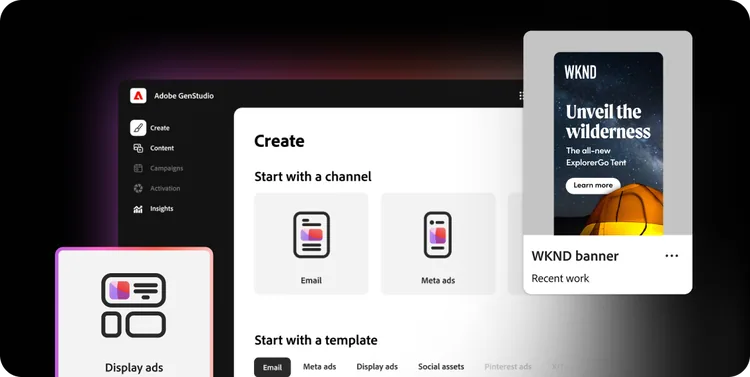
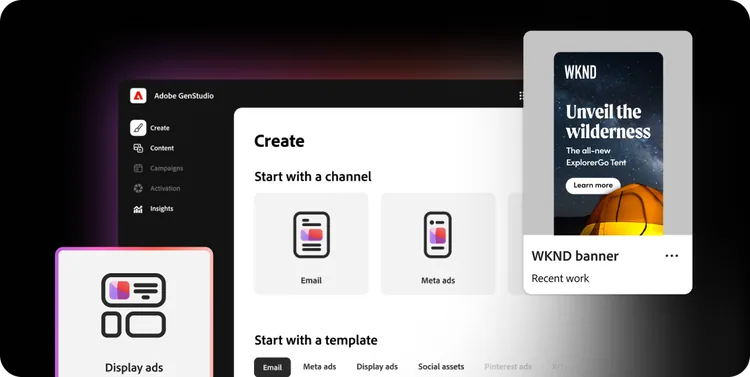
Adobe's Content Supply Chain proposition combines AEM, Assets, Firefly, GenStudio, Workfront, and more Adobe tools to automate and accelerate the entire content lifecycle: from planning, production, and approval, all the way to multichannel activation and results analysis. This takes content strategy to a whole new level of scalability and efficiency.
Key benefits for businesses
✅ Brand consistency across all channels. ✅ Reduced operational and creative costs. ✅ Accelerated time-to-market. ✅ Better collaboration between internal and external teams. ✅ Continuous optimization based on real data.
In today's digital environment, efficient content management is not just a competitive advantage — it's a necessity. If your company wants to scale multichannel content without sacrificing quality or consistency, Adobe AEM and Assets are the ideal foundation for building a single source of truth and transforming your content strategy.


Related services
If this topic is relevant to your business, these services from WolfSellers can help you implement it: