Article
Content Velocity: How to Accelerate Content Production with Adobe AEM

In a digital landscape where user attention is fleeting and the demands for personalization are higher than ever, content production speed has become a strategic differentiator. In fact, most companies recognize that their customers expect faster, more relevant, and more personalized experiences at every touchpoint. Faced with this challenge, Adobe Experience Manager (AEM) offers a robust solution for improving "Content Velocity"—the ability to create, manage, and distribute content in an agile and efficient way without compromising quality or brand consistency.
What Is Content Velocity?
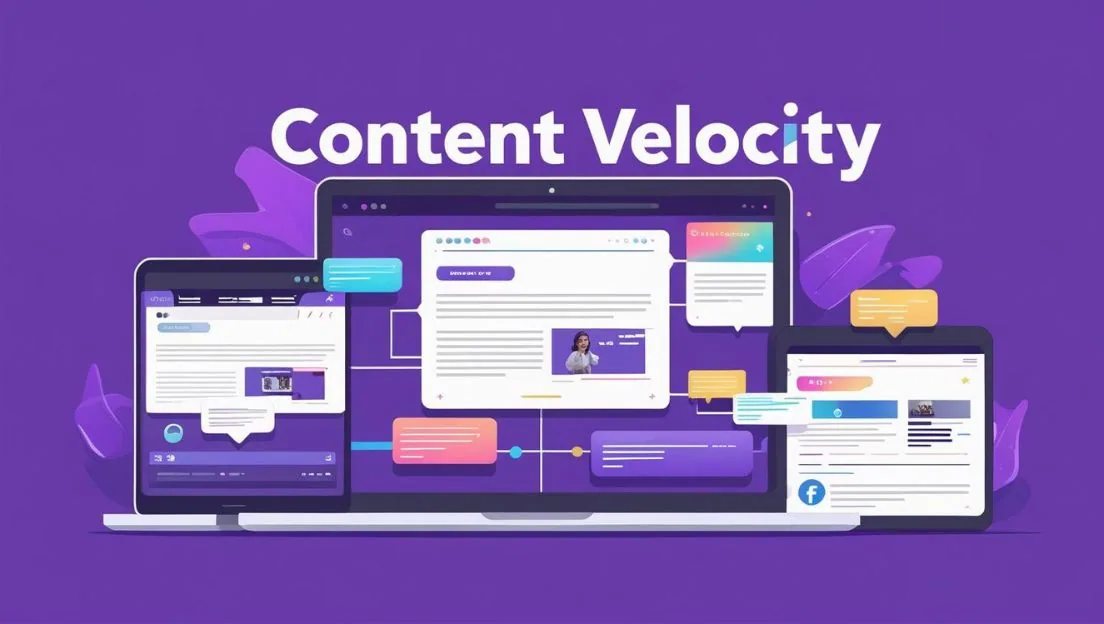
Content Velocity refers to the speed at which an organization can deliver relevant, high-quality content across multiple channels. It's not just about producing more content—it's about doing so more intelligently, in an automated fashion, and aligned with business objectives and customer expectations. High Content Velocity allows brands to launch campaigns with greater agility, respond to the market in real time, and maintain a consistent, dynamic digital presence.
Why Is Content Velocity Critical?
Content is the engine of the digital experience. From a personalized ad to an optimized landing page or a push notification, everything a customer sees and interacts with depends on the business's ability to deliver the right message at the right time. Companies that master content velocity not only gain relevance—they also gain a competitive edge in saturated markets.
Adobe AEM as a Content Velocity Accelerator
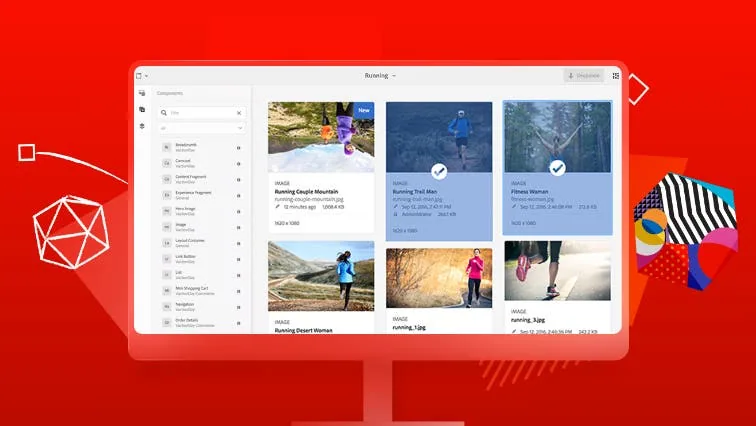
Adobe Experience Manager combines web content management (WCM), digital asset management (DAM), and AI-powered automation tools to enable more agile production. Below, we explore the key capabilities that make this possible:
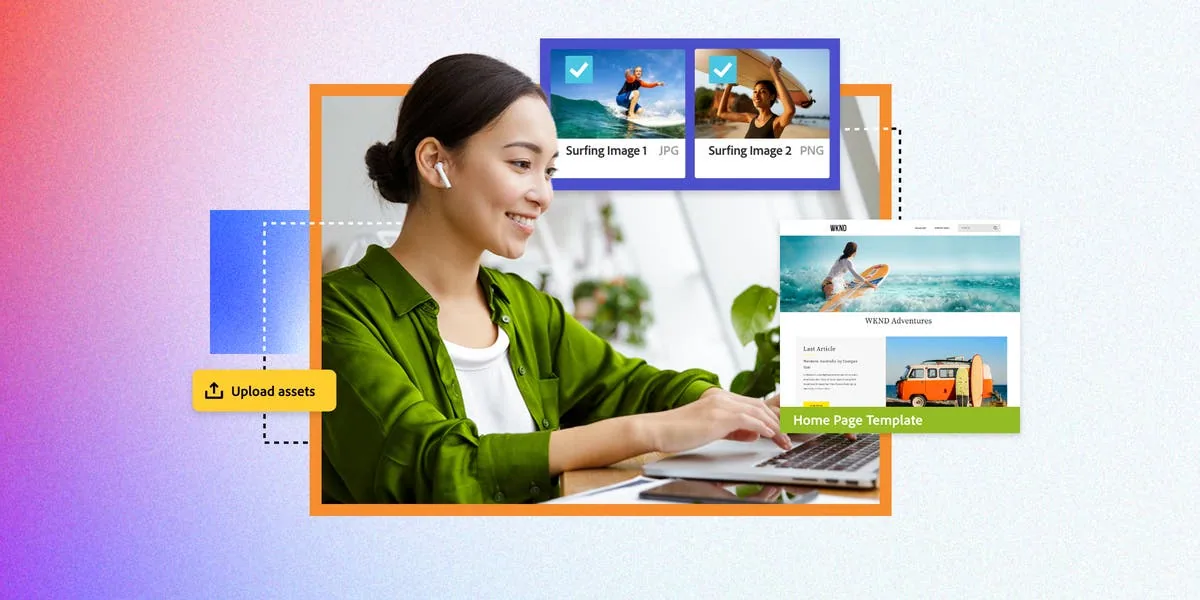
Reusable, modular components: AEM allows you to build reusable content blocks—such as banners, forms, buttons, or entire sections—that can be easily deployed across multiple pages and channels. This significantly reduces production time and ensures visual and messaging consistency.
Style System: With the Style System, content authors can apply different styles and layouts to components without writing any code. This gives them autonomy and accelerates visual customization without depending on the development team.
Workflow automation: AEM's customizable workflows automate repetitive tasks such as reviews, approvals, and publishing. This reduces human error, speeds up content lifecycles, and frees up time for more strategic work.
Integration with Adobe Workfront: Adobe Workfront makes it possible to manage planning, task assignment, and progress tracking from a single platform. This integration improves collaboration among marketing, content, and design teams, enabling smoother campaign execution.
Headless CMS and APIs: AEM can function as a headless CMS, enabling structured content to be distributed to any digital channel—websites, apps, social media, kiosks, and more—all from a single source. This improves scalability and distribution speed.
AI automation (Adobe Sensei): Adobe Sensei's artificial intelligence powers features such as automatic tagging, content categorization, performance analysis, and optimization recommendations. This enables faster, more informed decisions throughout content production and distribution.
Tangible Benefits of Improving Content Velocity
- Reduced time-to-market for campaigns.
- Lower operational costs through automation.
- Improved collaboration and visibility across teams.
- Greater brand consistency and control across all channels.
- Increased end-customer engagement and conversion.
Best Practices for Accelerating Your Content Workflow
- Build a library of reusable components and templates.
- Automate manual tasks with AI and workflows.
- Train content creators to be self-sufficient in AEM.
- Continuously measure and optimize production timelines.
- Foster collaboration among marketing, IT, and design from a single platform.
In conclusion, accelerating content production is no longer optional—it's a necessity. Adobe AEM empowers brands to respond to market needs with agility, deliver personalized content at scale, and maintain a consistent customer experience across every channel. Implementing a Content Velocity strategy not only improves operational efficiency; it directly impacts the growth and competitiveness of your digital business.


Related services
If this topic is relevant to your business, these services from WolfSellers can help you implement it: