Article
The Future of eCommerce Content: Intent-Based Personalization

It's no longer about who you're talking to — it's about what they want right now.
eCommerce is evolving fast. Today, having attractive products or a beautiful website isn't enough: the real challenge is delivering relevant content, at exactly the right moment, tailored to what the user actually wants. The key? Understanding the intent behind every visit. It's time to stop targeting a "demographic" and start connecting with the moment.


What is intent-based personalization?
Traditional personalization analyzes demographic data or past behaviors. But intent-based personalization goes one step further: it uses real-time signals to predict what a user wants to do at this precise moment.
It's not just about who they are — it's about why they're browsing, what they're looking for, and what they need. Are they exploring? Comparing options? Ready to buy?
Why does it matter in eCommerce?
Because expectations have changed. Consumers no longer want to be sold to — they want to be understood. According to the Adobe Digital Trends Report, leading brands are the ones that anticipate needs and deliver highly relevant experiences, powered by AI and real-time data analysis.
A single store can have hundreds of different types of users — not just one type of consumer. The key is understanding each person's intent and responding with content that helps, motivates, or convinces them as needed. More than pushing products, it's about guiding them to their ideal purchase.
How does intent-based personalization work?
Real-time data collection Time of day, location, device, prior browsing history, recent searches.
Context and behavior analysis Where are they coming from? Which products are they viewing? How often do they return?
Intent prediction Are they seeking inspiration, looking for information, or ready to buy?
Moment-specific content delivery Personalized products, copy, promotions, and recommendations — instantly.
Real-world examples of intent-based personalization


Camila is getting back to working out after an injury.
The system detects searches for "gentle routines" and "comfortable clothing." Result: she's shown motivational content, ergonomic outfits, and recovery testimonials.
Julián opens a sporting goods app at 6 a.m. from Cancún.
The platform detects his location and the time of day: it offers quick workout routines, lightweight clothing, and content tailored to training while traveling.




Claudia works from home and works out at noon.
She sees recommendations for exercising without leaving the house, low-impact clothing, and playlists to accompany her routine.
Benefits for eCommerce
Higher engagement: users feel like the content is speaking directly to them.
Increased conversion: fewer distractions, faster decisions.
Reduced cart abandonment: content that keeps users engaged all the way to checkout.
Memorable experiences: users want to come back to a place that truly understands them.


Adobe tools that make it possible
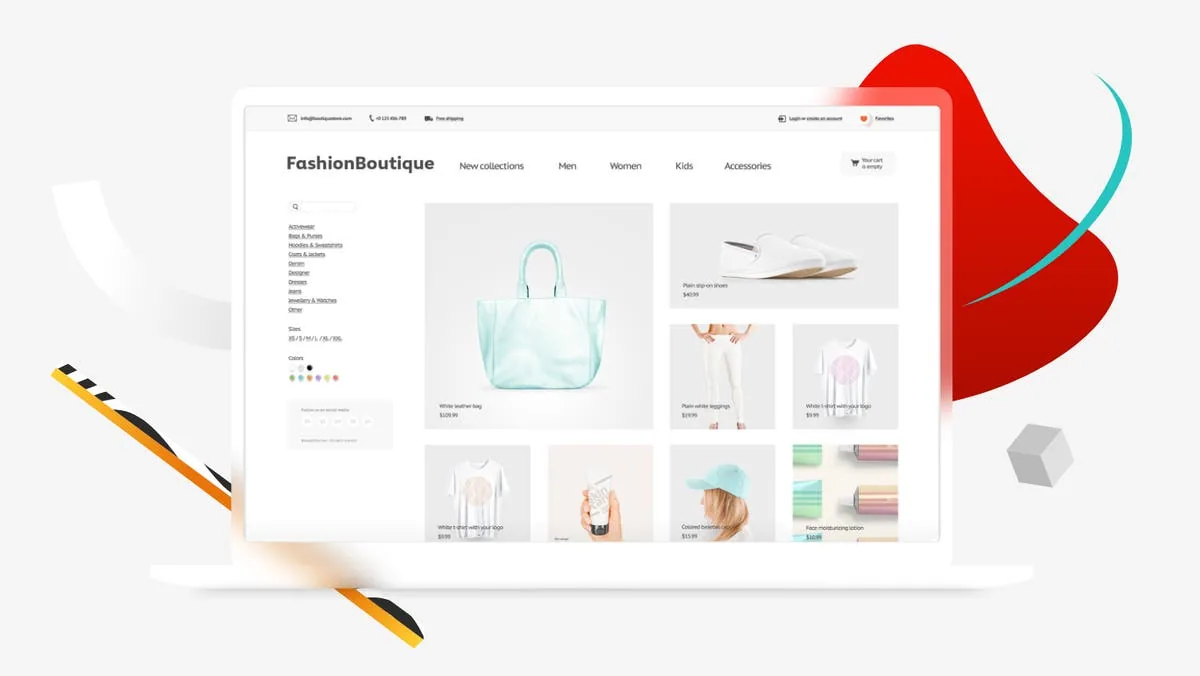
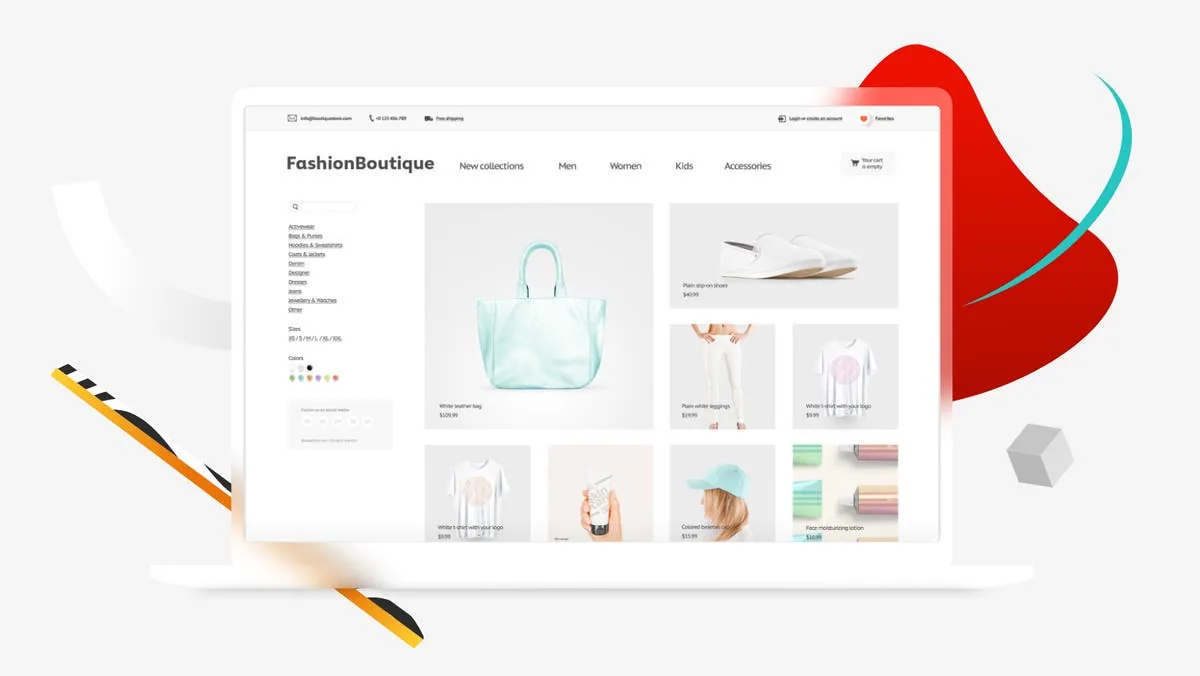
Adobe Target: adapts content in real time based on user behavior. Adobe Experience Manager (AEM): centralizes and manages content by audience segment. Marketo Engage: automates personalized messaging and workflows. Journey Optimizer: delivers experiences based on each customer's journey.
The new role of content: accompany and guide
Content is no longer just decoration or SEO. It's the cornerstone of every digital experience. It becomes an advisor, a co-pilot, and a salesperson — all at once. When content is relevant, useful, and tailored, it doesn't interrupt: it helps.
You don't need to create more content. You need to create the right content, strategically. Start personalizing your eCommerce experience around your customers' intent today. Because the brand that gets the content right... wins the conversion.
Related services
If this topic is relevant to your business, these services from WolfSellers can help you implement it: