
Article
What Is Digital Asset Management (DAM) in a Business and How to Optimize It?

What Is Digital Asset Management (DAM) in a Business and How to Optimize It?
We're well into 2024, and the digital era continues to advance at a rapid pace. In this context, companies recognize the importance of managing their assets digitally in order to stay competitive.
Efficient Digital Asset Management (DAM) has become a fundamental pillar for companies that aim to deliver exceptional customer experiences. In this blog, we'll explore the benefits, challenges, and best practices in digital asset management, with a special focus on the market-leading tool, Adobe Experience Manager Assets.
What Is Digital Asset Management (DAM)?
Digital Asset Management (DAM) refers to the administration, organization, and distribution of digital assets such as images, videos, documents, and other multimedia content. An effective DAM solution not only stores these assets but also optimizes them for use across different channels and devices, facilitating team collaboration and improving operational efficiency.
Benefits of a DAM (Digital Asset Management) Solution
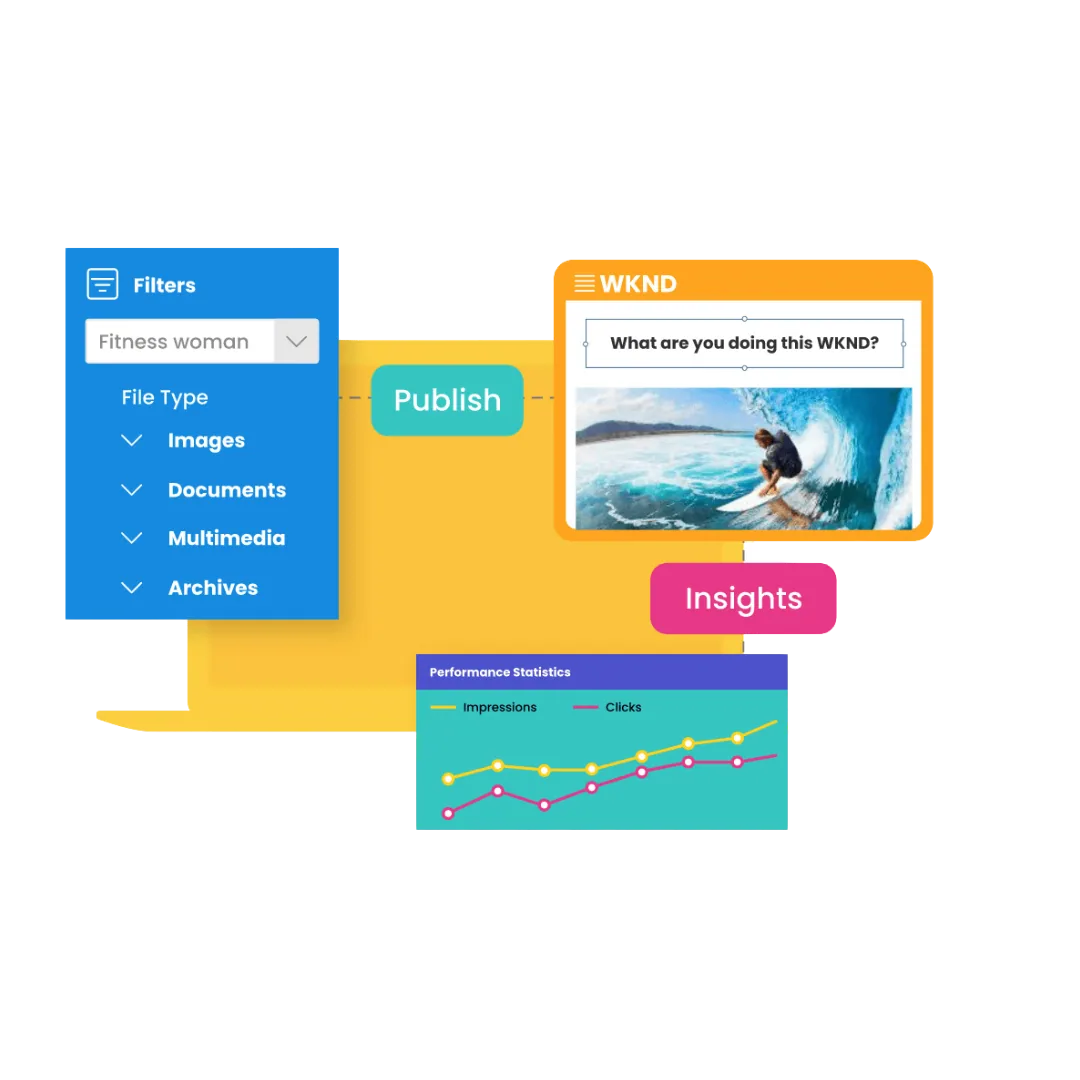
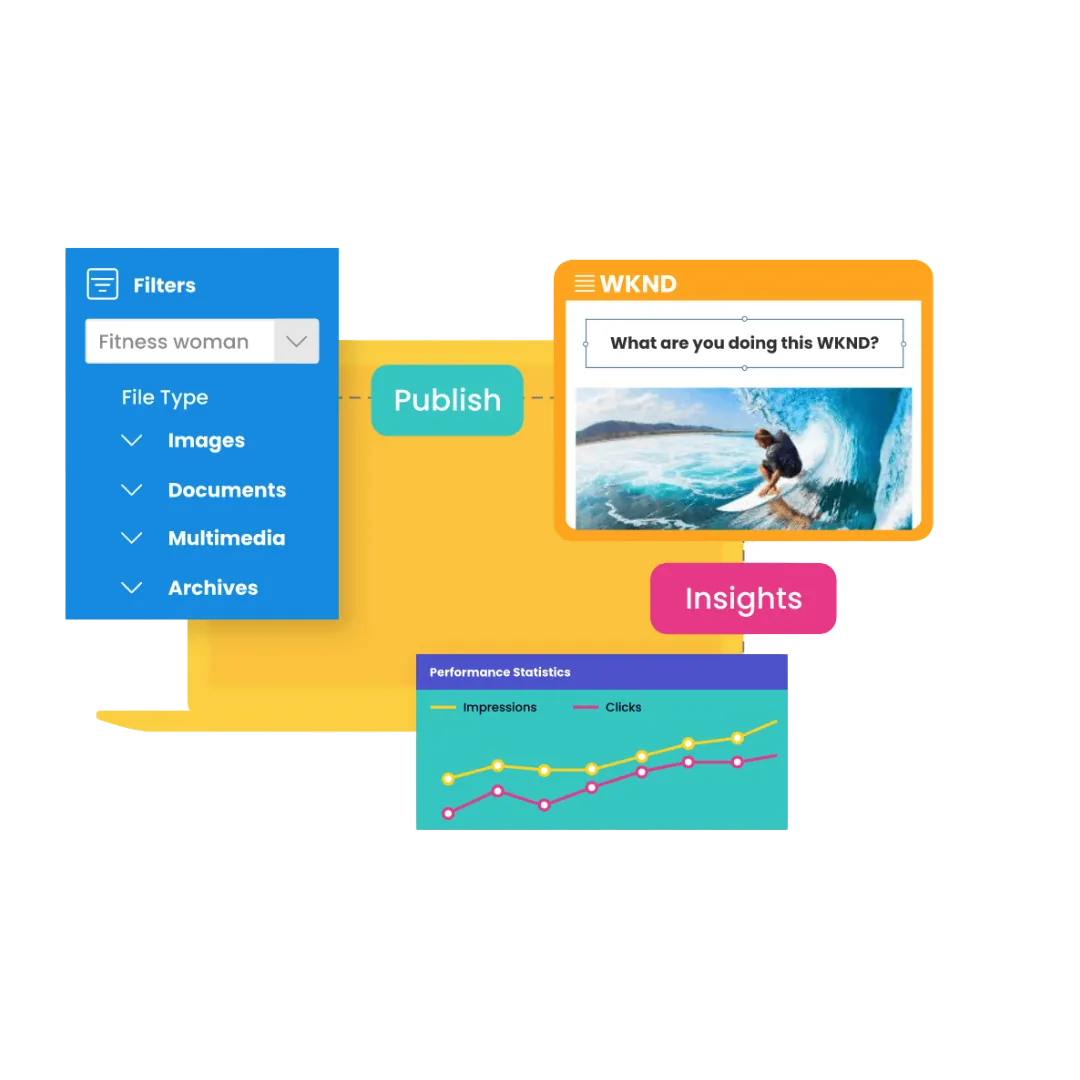
1. Content Centralization: A DAM solution centralizes all digital assets on a single platform, enabling easy and controlled access for all members of the organization. This eliminates information silos and ensures that everyone is working with the most up-to-date versions of files.
2. Improved Productivity: By making it easier to search for and retrieve assets, a DAM significantly reduces the time employees spend looking for files. Additionally, automated features such as tagging and categorization further streamline processes.
3. Efficient Collaboration: DAM solutions enable smoother collaboration between creative, marketing, and IT teams. Comments and approvals can be managed directly on the platform, speeding up the production cycle and ensuring that everyone stays aligned.
4. Security and Compliance: DAM platforms offer robust security measures, ensuring that only authorized individuals can access certain files. They also help meet copyright regulations and other compliance requirements by managing licenses and usage permissions.
Challenges in Digital Asset Management (DAM)
Integration with Existing Systems: Implementing a DAM solution requires seamless integration with the company's existing systems and processes. This can be a technical challenge that demands proper planning and resources.
Training and Adoption: To maximize the value of a DAM, it is crucial that employees receive adequate training and adopt the new tool. This may require a cultural shift within the organization.
Maintenance and Updates: A DAM is not a static solution. It requires ongoing maintenance and updates to ensure it continues to meet the evolving needs of the business and emerging technologies.
Adobe Experience Manager Assets: A Standout Tool in Digital Asset Management (DAM)
Within the broad landscape of DAM solutions, Adobe Experience Manager Assets stands out for its ability to provide comprehensive and efficient digital asset management. This platform has been designed to meet the demands of today's content landscape, enabling companies to manage millions of assets in an agile and effective way.
Full Control Over Assets: Adobe Experience Manager Assets centralizes all digital assets in one place, making them accessible and manageable at any time and from anywhere. This is especially useful for large companies that handle a significant volume of multimedia content.
Automation and Artificial Intelligence: One of the most impressive features of Adobe Experience Manager Assets is its use of artificial intelligence to automate repetitive tasks such as tagging and image cropping. This not only saves time but also improves the accuracy and consistency of asset management.
Collaboration and Flexibility: The platform enables effective collaboration among teams across different departments, including creative, marketing, and IT. Integrations with other Adobe tools as well as third-party applications facilitate a continuous and efficient workflow.
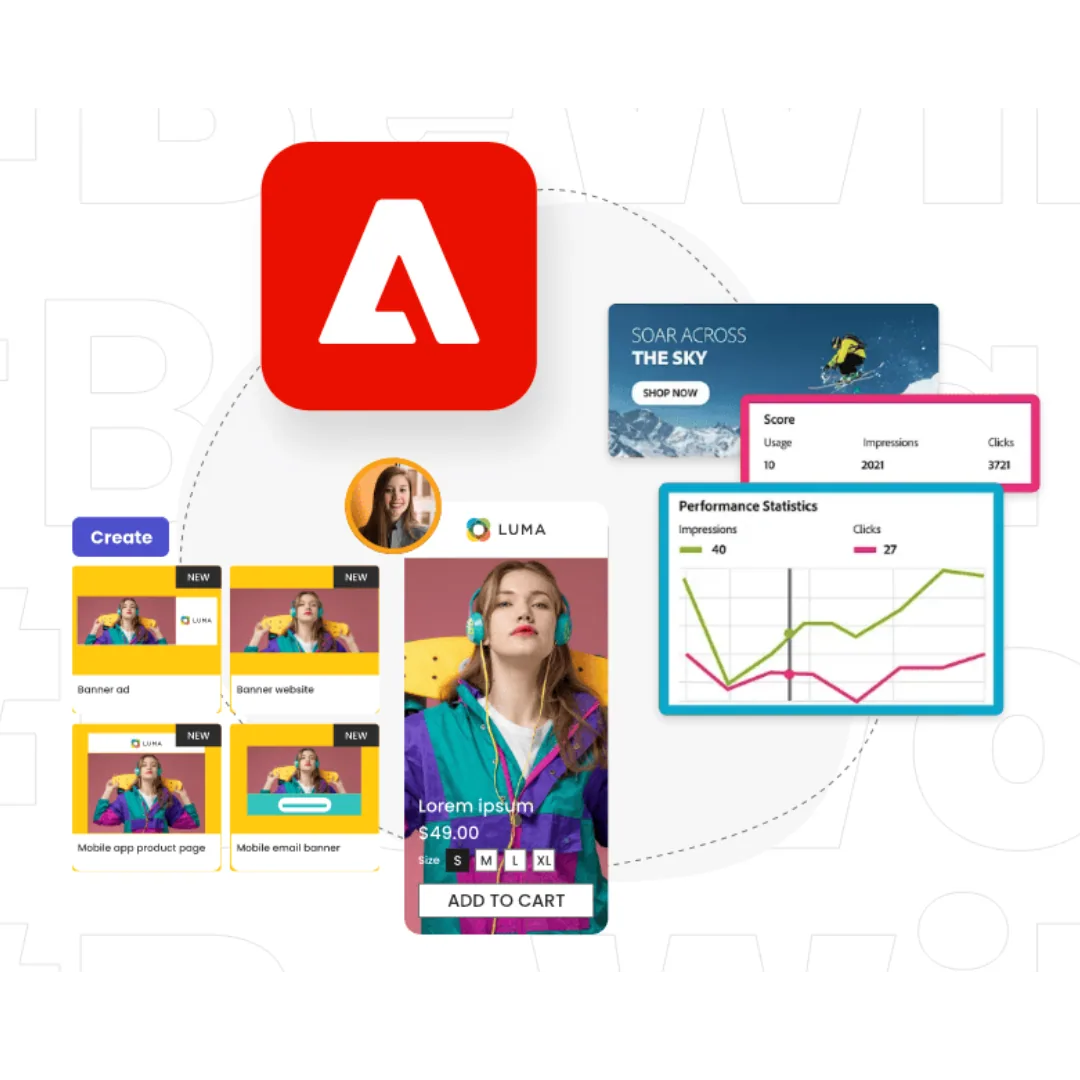
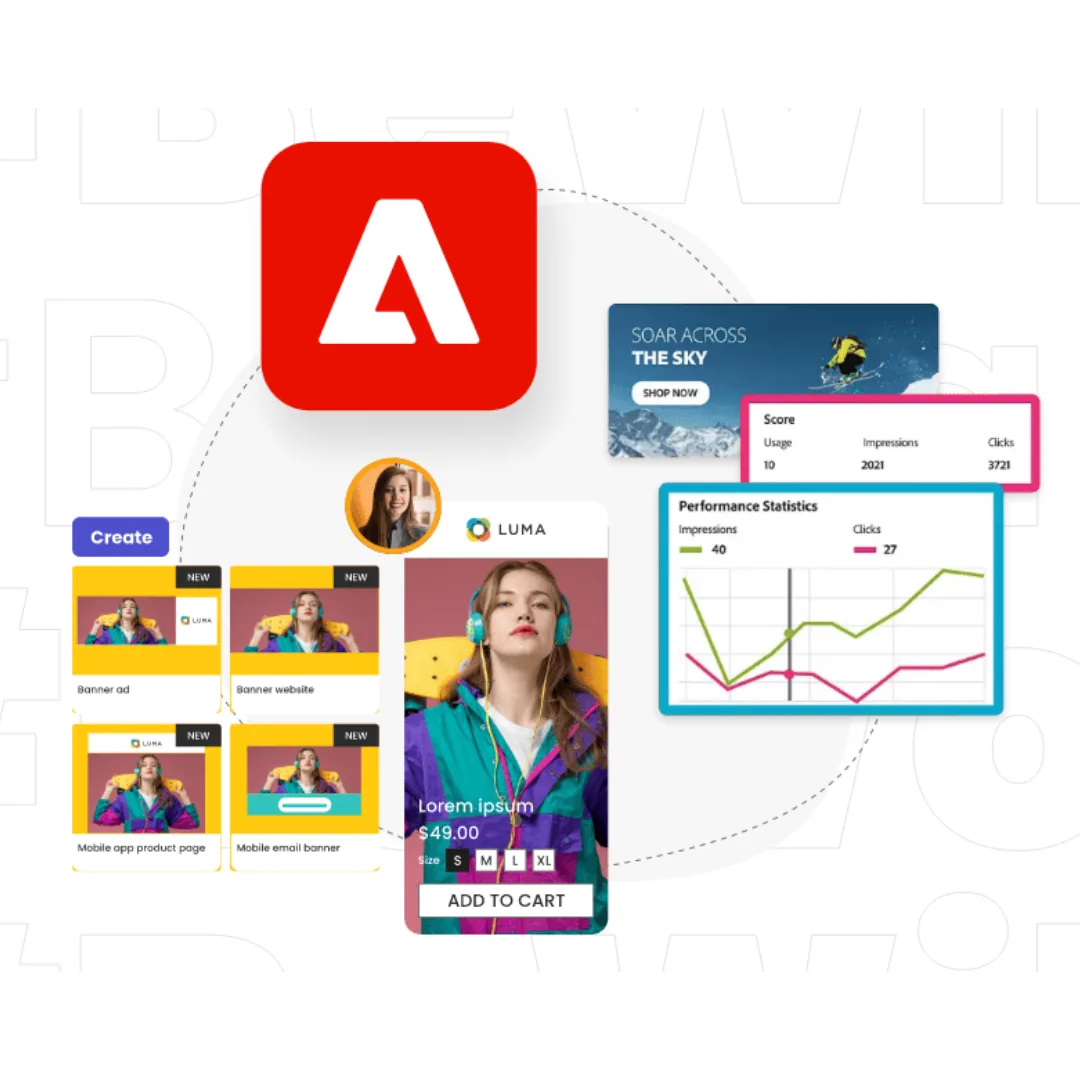
Personalization and Effective Distribution: Adobe Experience Manager Assets allows you to create and distribute asset variations tailored to different devices and channels, ensuring a consistent and personalized user experience across all platforms. Additionally, its capabilities in 3D, augmented reality, and virtual reality open up new possibilities for creating immersive and innovative experiences.
Real-Time Analytics and Optimization: The platform offers advanced tools for analyzing asset performance, providing detailed insights into how assets are used and how they impact the audience. This enables continuous, data-driven optimization, improving the effectiveness of content strategies.
In summary, Adobe Experience Manager Assets stands out as a robust and versatile solution for digital asset management, helping companies optimize their operations and deliver exceptional customer experiences.
Digital Asset Management (DAM) is essential for any company looking to optimize its content strategy and deliver exceptional customer experiences.
Implementing the right DAM solution can bring numerous benefits, from content centralization and improved productivity to more efficient collaboration and robust security.
Adobe Experience Manager Assets is a market-leading DAM, offering advanced tools and automation capabilities that enable organizations to manage their assets efficiently and effectively. If you're looking to optimize your digital content strategy, consider exploring the capabilities of Adobe Experience Manager Assets to transform your asset management and elevate your customer experiences.
Contact us today to optimize your digital content strategy with Adobe Experience Manager Assets!


Related services
If this topic is relevant to your business, these services from WolfSellers can help you implement it: